Would you trust a tool with your livelihood if it only needed a few minutes to master?
Yes, the UI needs to be simple. But..
Let's take an example of Microsoft Paint. A tool of just a few minutes of learning curve...
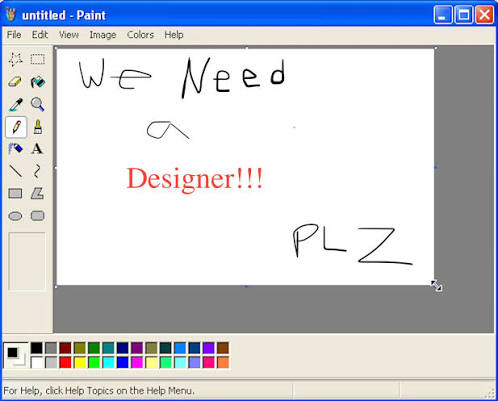
Paint is simple. But you never see a designer working on it.
Is it then too simple? So what's the industry standard?
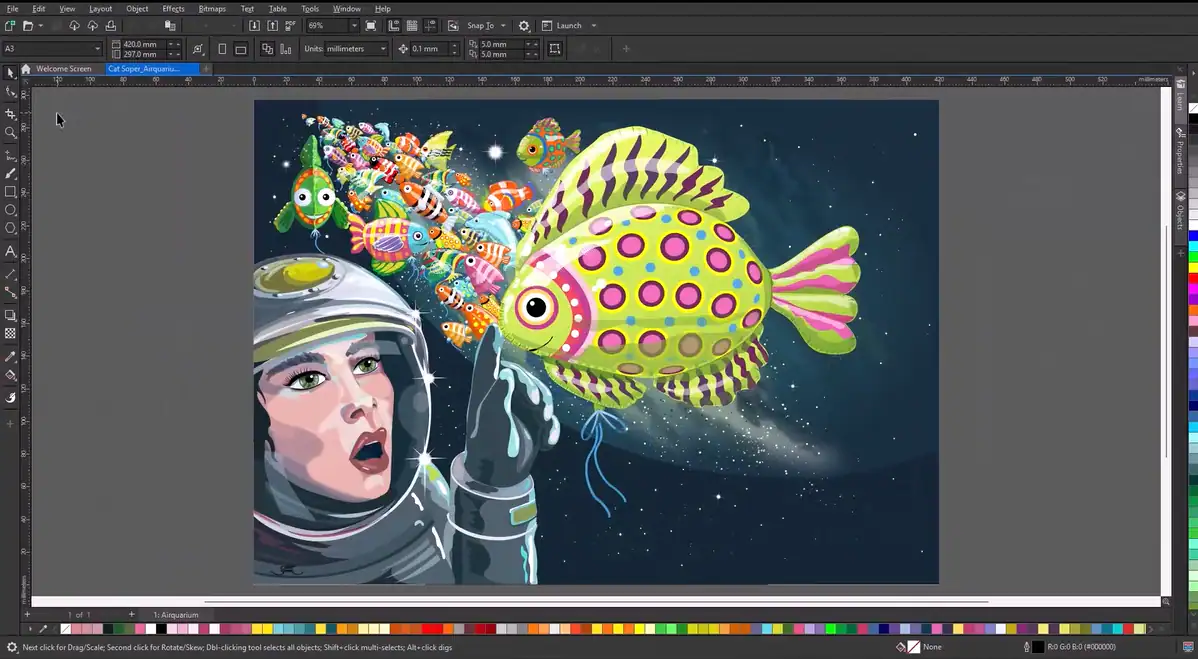
CorelDraw does not shy away from its weeks of learning curve.
So the simplification of UI is not the answer to efficiency
Let's plot the digital interfaces we use on 2 axes
So here are the axes
Complexity of motive on X-axis and means on Y-axis
Now let's add some examples for it to make sense
Left area
- India works in this sector a lot.
- A lot of work available as references.
- Solves simple, linear problems.
**Summary of apps**
Tools area
- India usually doesn't work on this. Except a few.
- Every tool is distinct and intricate for professional use.
- Potential for use to solve complex problems.
**Summary of tools**
So..What are digital tools?
How are they different from the left hand side artefacts
And how to make them
Here's what I've found out.
What should be a tool?
Tool criteria
- Have a longer than 10 minutes of usage journey.
- User should create an output like 3D model, note, image etc.